
Sold out


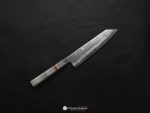
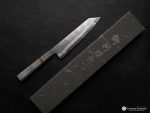
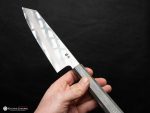
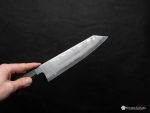
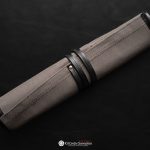
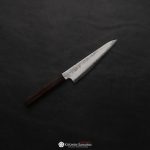
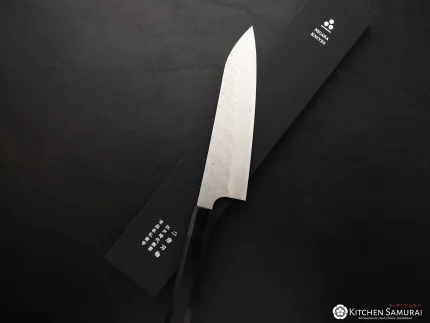
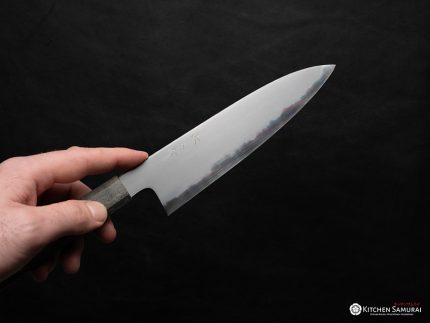
Tetsujin Saku Ginsan So Ukiba Kiritsuke Gyuto 210mm
R9,500.00
Tetsujin’s grind and edge in a steel you do not have to think about after dinner.
- Made in Japan
- Free shipping over R1,500
- Secure checkout

Pay in 3 or 12. The Clever Way to Pay.
From over 12 months or 3 interest free payments.
Learn more...
From over 12 months or 3 interest free payments.
Learn more...


Your flexible payment provider.
Example payment for
x 3
0% interest, zero fees.
0% interest, zero fees.
Pay in 3
x 12
28.25% interest, plus fees.
Total Payment
28.25% interest, plus fees.
Total Payment
Pay in 12
How does PayJustNow work?
-
 Shop and choose PayJustNow at checkout.
-
 Sign up and get instant approval.
-
 Pay in 3 or 12.
You can complete sign-up in under 2 minutes - no need to leave your cart!
Out of stock
Description
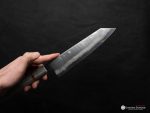
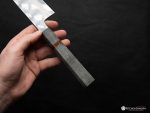
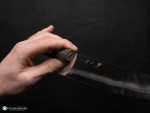
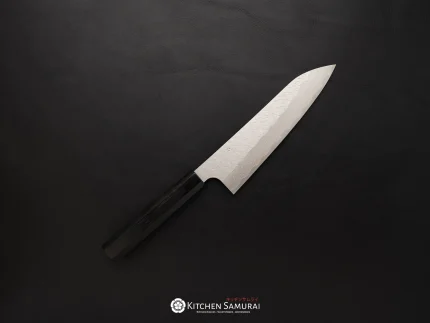
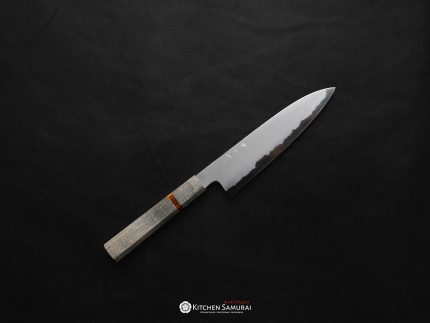
This Tetsujin Ginsan So-Ukiba gyuto knife is a 210mm kiritsuke built around Ginsan stainless steel, finished with the distinctive Ukiba pattern and set on an octagonal wa-handle. It brings the grind and edge quality Tetsujin is known for to a steel that asks far less of you day to day.
Tetsujin is the collaboration between blacksmith Toru Tamura and sharpener Naohito Myojin, both working out of Kochi in the Tosa region, an area with a long and serious reputation for forging. Tamura forges the blade, Myojin puts the final grind and edge on it, and Myojin is the same sharpener behind some of the most sought-after knives coming out of Japan. The result is a blade that arrives thin behind the edge, lightly convexed, and sharper out of the box than most knives ever get.
A gyuto is the Japanese counterpart to the Western chef’s knife, and this gyuto knife is the most versatile blade you can put on a board. This one carries a kiritsuke tip, the angled reverse-tanto point traditionally reserved for the head chef. On top of the everyday gyuto work of rocking, push cutting, and slicing through vegetables, meat, and herbs, that pointed tip gives you real precision for fine tip work and clean detailed cuts. At 210mm it is the length most cooks reach for without thinking.
Steel and Construction
The core is Ginsan, also called Silver 3, a stainless steel with an unusually pure composition. It sharpens like a carbon steel and forms a genuinely fine edge, but its chromium content means it resists corrosion properly. Tetsujin hardens it to around 63 HRC, high enough for excellent edge retention while still coming back quickly on a stone.
The core is clad in stainless steel using san mai construction, with the hard core sandwiched between softer outer layers. The Ukiba finish is what sets this one apart visually. Rather than the matte misty cladding of a kasumi, Ukiba is a directional scratch pattern running from handle to tip across a polished, shiny cladding. It is the same blade underneath, presented very differently.
Maintenance and Care
Ginsan is where this knife earns its keep for anyone who has been put off carbon steel. It is stainless throughout, so it will not patina or rust the way a Blue 2 blade does. Wash it by hand and dry it after use, and do not leave it sitting wet, but you can relax about it in a way you cannot with a reactive blade. Keep it off bones, frozen food, and hard squash. Sharpen it on a whetstone rather than a pull-through and it will hold and recover a superb edge.
Best for: cooks who want a Tetsujin gyuto knife with a kiritsuke tip and the grind quality that comes with the name, but who would rather not manage a reactive carbon blade.
Kitchen Samurai Ease of Use Rating: 8 out of 10. The performance is close to the carbon Tetsujin knives with none of the patina management. It sits high on hardness, so it still asks for a wooden board and sensible technique.
HRC: 63
Made in Japan.
Free shipping on orders over R1,500.
Additional information
| Blade Length | 200mm |
|---|---|
| Blade Height | 47mm |
| Edge | 50/50 |
| Handle | Birch Burl |
| Knife Total Length | 348mm |
| Weight | 163g |
Reviews (0)





Reviews
There are no reviews yet.